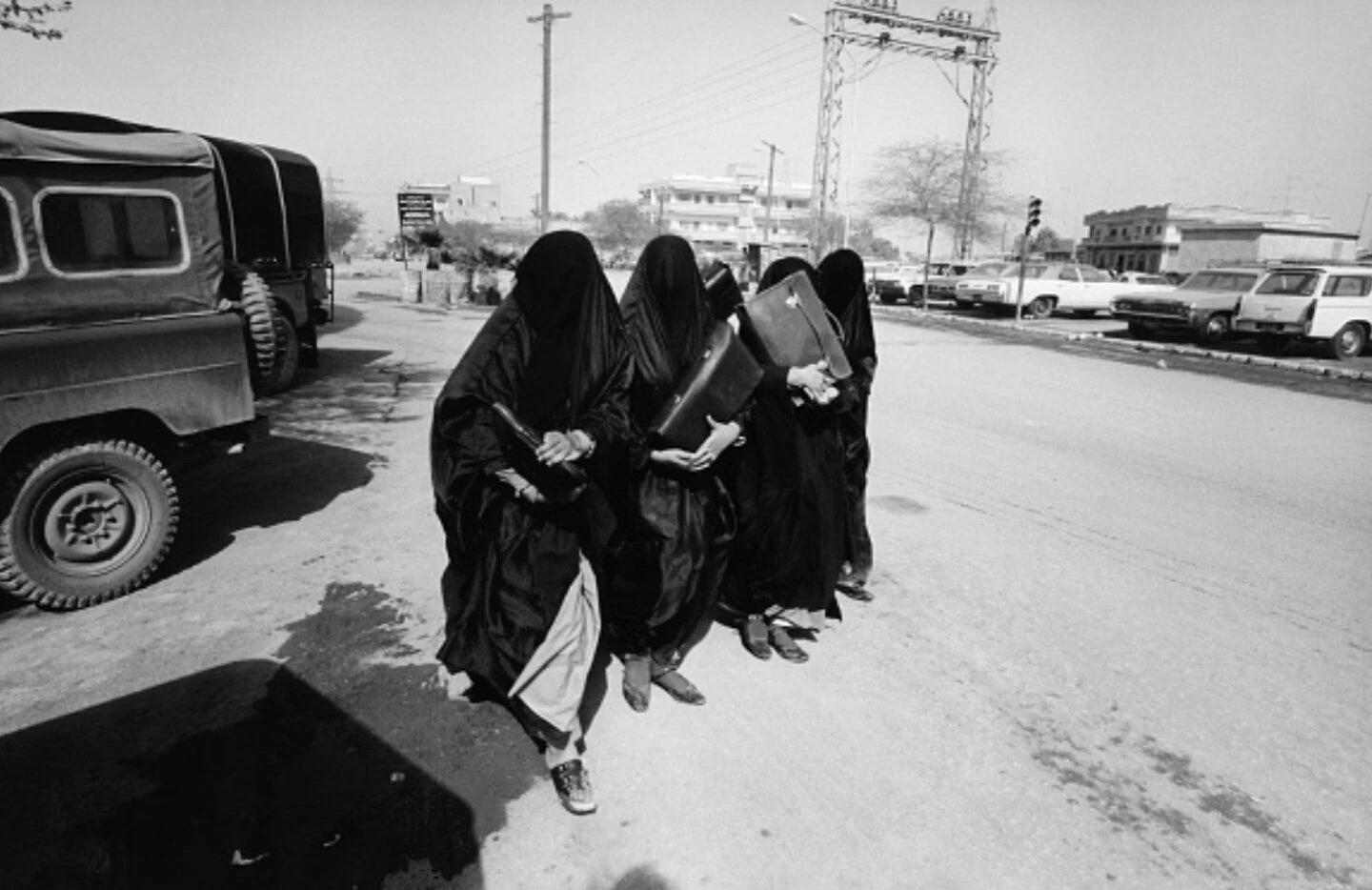
يمثل قرار مجلس الوزراء بتأسيس المعهد الملكي للأنثروبولوجيا والدراسات الثقافية خطوة تتجاوز إطار إنشاء جهة بحثية جديدة، ليعكس توجهاً أوسع نحو فهم المجتمع السعودي وتحولاته عبر أدوات علمية متخصصة.
ويأتي ذلك في وقت تشهد فيه المملكة تسارعاً تنموياً كبيراً ضمن مشاريع التحول الوطني، ما يبرز أهمية دراسة التحولات الاجتماعية والثقافية بصورة علمية ومنهجية.
#فيديو |
هل تفتح الأنثروبولوجيا سردية المجتمع السعودي؟
تقرير | متعب العواد @motabalawwd
للاطلاع على التفاصيل:https://t.co/F7MFXlKRHh pic.twitter.com/wzpWSBnPHE— عكاظ (@OKAZ_online) March 13, 2026
فهم التحولات الاجتماعية علمياً
تُعد الأنثروبولوجيا، بوصفها علم دراسة الإنسان وثقافته، من أهم المفاتيح لفهم التغيرات الاجتماعية التي ترافق التحولات الاقتصادية والتنموية. ومع تسارع وتيرة المشاريع الوطنية الكبرى، تبرز الحاجة إلى مؤسسات علمية متخصصة قادرة على قراءة هذه التحولات وتوثيقها وتحليلها ضمن إطار معرفي رصين.
ويأتي تأسيس المعهد ليشكل منصة بحثية متقدمة تعنى بدراسة المجتمع السعودي، بما يتيح تقديم رؤى علمية تساعد على فهم طبيعة التغيرات الاجتماعية والثقافية التي يشهدها المجتمع في مختلف مناطقه.
تنوع ثقافي غني للدراسة
تمتد الجذور التاريخية للمملكة لآلاف السنين، وتتميز بتنوع ثقافي واجتماعي واسع بين مناطقها المختلفة، ما يجعلها مادة ثرية للدراسات الأنثروبولوجية. ويتجلى هذا التنوع في أنماط الحياة المتعددة، بدءاً من الموروث البدوي والقبلي، مروراً بالثقافة الحضرية في المدن التاريخية، وصولاً إلى التحولات الحديثة في المدن الكبرى.
ومع توسع المشاريع التنموية والسياحية والثقافية، تزداد الحاجة إلى مراكز بحثية قادرة على توثيق هذا التنوع، ودراسة التغيرات التي يشهدها المجتمع ضمن سياق علمي يوازن بين الحفاظ على الموروث واستيعاب التحولات الحديثة.
تعزيز حضور الدراسات الإنسانية
ينظر إلى تأسيس المعهد أيضاً بوصفه خطوة لتعزيز حضور الدراسات الإنسانية في المملكة، عبر بناء قاعدة معرفية تسهم في توثيق العادات والتقاليد وأنماط الحياة واللغة والرموز الثقافية، إلى جانب دراسة التحولات الاجتماعية المصاحبة لمسيرة التنمية.
كما يمكن لهذه الدراسات أن تقدم دعماً مهماً للسياسات الثقافية والتنموية، من خلال توفير قراءة علمية دقيقة للهوية الاجتماعية والثقافية للمجتمع السعودي، بما يسهم في رسم سياسات أكثر انسجاماً مع طبيعة المجتمع وتاريخه.
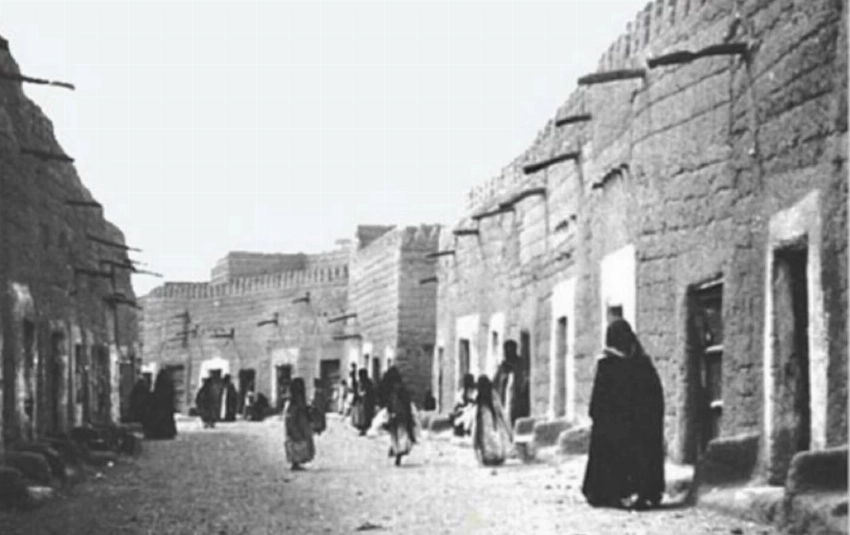
الصويان.. رائد الدراسات الأنثروبولوجية
في هذا السياق يبرز اسم الباحث السعودي الدكتور سعد بن عبدالله الصويان، أحد أبرز المتخصصين في الأنثروبولوجيا في المملكة. وقد عُرف الصويان بدراساته حول التاريخ الشفهي والشعر النبطي في الجزيرة العربية، إضافة إلى جهوده العلمية في توثيق التراث الثقافي.
وكان الصويان قد دعا منذ سنوات إلى إنشاء معهد علمي متخصص يعنى بدراسة حضارة إنسان الجزيرة العربية وتوثيقها وفق منهجية علمية، وهو ما ينسجم مع التوجه الذي يعكسه تأسيس المعهد الجديد.
آفاق جديدة للبحث العلمي
يفتح تأسيس المعهد الملكي للأنثروبولوجيا والدراسات الثقافية آفاقاً واسعة أمام الباحثين السعوديين لدراسة المجتمع المحلي وتحولاته، كما يعزز حضور الثقافة السعودية في الدراسات الأكاديمية العالمية.
ويأتي ذلك في وقت تشهد فيه المملكة تحولات اجتماعية وثقافية متسارعة تعيد رسم ملامح المجتمع والهوية، ما يجعل وجود مؤسسات بحثية متخصصة ضرورة لفهم هذه التحولات وتوثيقها للأجيال القادمة.
The decision of the Council of Ministers to establish the Royal Institute for Anthropology and Cultural Studies represents a step that goes beyond the framework of creating a new research entity, reflecting a broader trend towards understanding Saudi society and its transformations through specialized scientific tools.
This comes at a time when the Kingdom is witnessing significant developmental acceleration within the National Transformation Projects, highlighting the importance of studying social and cultural transformations in a scientific and methodological manner.
Understanding Social Transformations Scientifically
Anthropology, as the science of studying humans and their cultures, is one of the most important keys to understanding the social changes that accompany economic and developmental transformations. With the rapid pace of major national projects, the need for specialized scientific institutions capable of reading, documenting, and analyzing these transformations within a robust cognitive framework becomes evident.
The establishment of the institute aims to create an advanced research platform dedicated to studying Saudi society, enabling the provision of scientific insights that help understand the nature of the social and cultural changes occurring in various regions of the community.
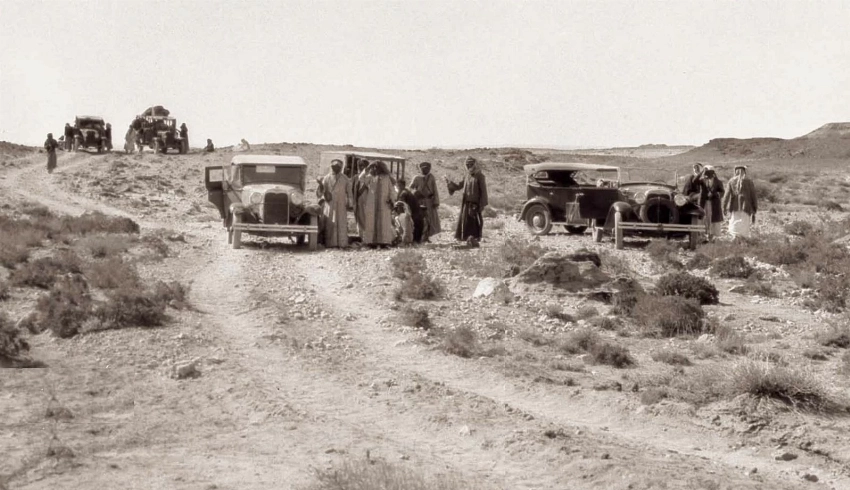
A Rich Cultural Diversity for Study
The historical roots of the Kingdom extend back thousands of years and are characterized by a wide cultural and social diversity among its various regions, making it a rich subject for anthropological studies. This diversity is manifested in the multiple lifestyles, ranging from the Bedouin and tribal heritage, through the urban culture in historical cities, to the modern transformations in major cities.
As developmental, tourism, and cultural projects expand, the need for research centers capable of documenting this diversity and studying the changes occurring in society within a scientific context that balances the preservation of heritage with the absorption of modern transformations increases.
Enhancing the Presence of Human Studies
The establishment of the institute is also viewed as a step to enhance the presence of human studies in the Kingdom, by building a knowledge base that contributes to documenting customs, traditions, lifestyles, language, and cultural symbols, alongside studying the social transformations accompanying the development process.
These studies can also provide important support for cultural and developmental policies by offering an accurate scientific reading of the social and cultural identity of Saudi society, contributing to the formulation of policies that are more in harmony with the nature and history of the community.
Al-Suwayan: A Pioneer in Anthropological Studies
In this context, the name of Saudi researcher Dr. Saad bin Abdullah Al-Suwayan stands out as one of the most prominent specialists in anthropology in the Kingdom. Al-Suwayan is known for his studies on oral history and Nabati poetry in the Arabian Peninsula, in addition to his scientific efforts in documenting cultural heritage.
Al-Suwayan has called for years for the establishment of a specialized scientific institute dedicated to studying and documenting the civilization of the people of the Arabian Peninsula according to scientific methodology, which aligns with the direction reflected in the establishment of the new institute.
New Horizons for Scientific Research
The establishment of the Royal Institute for Anthropology and Cultural Studies opens wide horizons for Saudi researchers to study the local community and its transformations, while also enhancing the presence of Saudi culture in global academic studies.
This comes at a time when the Kingdom is experiencing rapid social and cultural transformations that are reshaping the features of society and identity, making the existence of specialized research institutions a necessity for understanding and documenting these transformations for future generations.