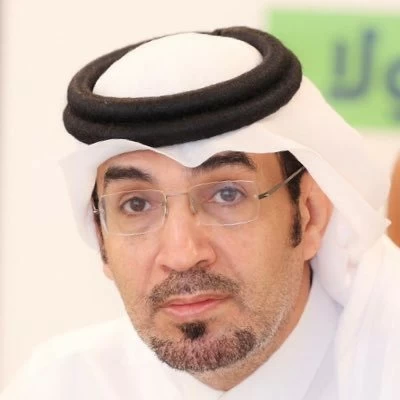
في كل محطة وطنية كبرى، يطل اسم الزميل الشاعر عبدالله عبيان (نائب رئيس التحرير) بوصفه أحد الأصوات الشعرية التي لا تكتفي بكتابة المناسبة، بل تمنحها ذاكرة.
وهذه المرة يحضر عبر أوبريت «دربك خضر»، الذي يُفتتح به مهرجان صيف نجران 2026 برعاية أمير نجران الأمير جلوي بن عبدالعزيز بن مساعد، ليضيف عملاً جديداً إلى مشروع شعري ظل لعقود ينسج العلاقة بين الوطن والقصيدة، وبين المكان والوجدان.
لا ينتمي عبيان إلى الشعراء الذين يراهنون على بريق العبارة العابرة، بل إلى مدرسة تجعل القصيدة بناءً متماسكاً، تُشيّد فيه الصورة فوق المعنى، ويولد الإيقاع من الفكرة قبل الوزن. لذلك تبدو نصوصه كأنها كُتبت لتُقرأ، بقدر ما كُتبت لتُنشد، محتفظة بقيمتها الأدبية حتى بعد انطفاء أضواء المسرح.
في تجربته، يتسع الوطن ليصبح لغةً لا موضوعاً، وتتحول الجغرافيا إلى وجدان، فيما تغدو الهوية مادةً شعرية تُصاغ بوعي ثقافي لا بخطاب مباشر. ولهذا ظل حضوره في الأوبريت الوطني مختلفاً؛ إذ نقل هذا الفن من حدود المناسبة، إلى فضاء النص الذي يمتلك حياته الخاصة، ويقاوم الزمن بجودة صياغته قبل قوة رسالته.
ويمثل عبدالله عبيان أحد الأسماء التي أسهمت في ترسيخ ملامح القصيدة الوطنية الحديثة في السعودية، جامعاً بين جزالة الشعر الشعبي، وأناقة الصورة، ورهافة الإحساس، مع قدرة لافتة على تجديد أدواته، دون أن يفقد صلته بجذور القصيدة الأصيلة. وهي معادلة نادرة جعلته من أبرز شعراء الوطن، ومن الأصوات التي تركت أثراً واضحاً في تاريخ الأوبريت السعودي.
وجاءت أعماله لتؤكد أن النص الوطني يمكن أن يجمع بين القيمة الأدبية والقدرة الجماهيرية، فيما شكّلت مشاركاته في أبرز المناسبات الوطنية، وإلقاؤه القصائد أمام القيادة السعودية، إلى جانب فوزه بجائزة «معلقة الوطن»، محطاتٍ كرّست مكانته بوصفه أحد رموز الشعر الشعبي السعودي، وصاحب تجربة لا تُقاس بعدد القصائد، بل بالأثر الذي تركته في الذاكرة الثقافية والوطنية.
At every major national event, the name of my colleague, poet Abdullah Abiyan (Deputy Editor-in-Chief), emerges as one of the poetic voices that do not merely write for the occasion but imbue it with memory.
This time, he presents through the operetta “Darbak Khidr,” which will open the Najran Summer Festival 2026 under the patronage of the Emir of Najran, Prince Jalwa bin Abdulaziz bin Musaid, adding a new work to a poetic project that has woven the relationship between the homeland and poetry, and between place and sentiment for decades.
Abiyan does not belong to the poets who bet on the allure of fleeting phrases, but rather to a school that makes the poem a cohesive structure, where the image is built upon meaning, and rhythm is born from the idea before the meter. Therefore, his texts seem as if they were written to be read as much as they were written to be recited, retaining their literary value even after the stage lights dim.
In his experience, the homeland expands to become a language rather than a subject, and geography transforms into sentiment, while identity becomes a poetic material shaped by cultural awareness rather than direct discourse. For this reason, his presence in the national operetta remains distinct; he has elevated this art form from the confines of occasion to the realm of a text that possesses its own life and resists time through the quality of its composition before the strength of its message.
Abdullah Abiyan represents one of the names that have contributed to establishing the features of modern national poetry in Saudi Arabia, combining the richness of popular poetry, the elegance of imagery, and the delicacy of feeling, with a remarkable ability to renew his tools without losing connection to the roots of authentic poetry. This rare equation has made him one of the most prominent poets of the homeland and one of the voices that have left a clear mark in the history of Saudi operetta.
His works have confirmed that national texts can combine literary value with popular appeal, while his participation in major national events, reciting poems before the Saudi leadership, alongside winning the “Maqalat Al-Watan” award, have solidified his status as one of the symbols of Saudi popular poetry, and as someone whose experience is not measured by the number of poems, but by the impact they have left in the cultural and national memory.